3D printing resin types, and what each one is good for
Fourteen resins, sorted by the job your part has to do. Tap a need, pick a resin and see how it rates.
By the Insera 3D workshop, Sydney. Updated .
Pick a resin by what your part has to do
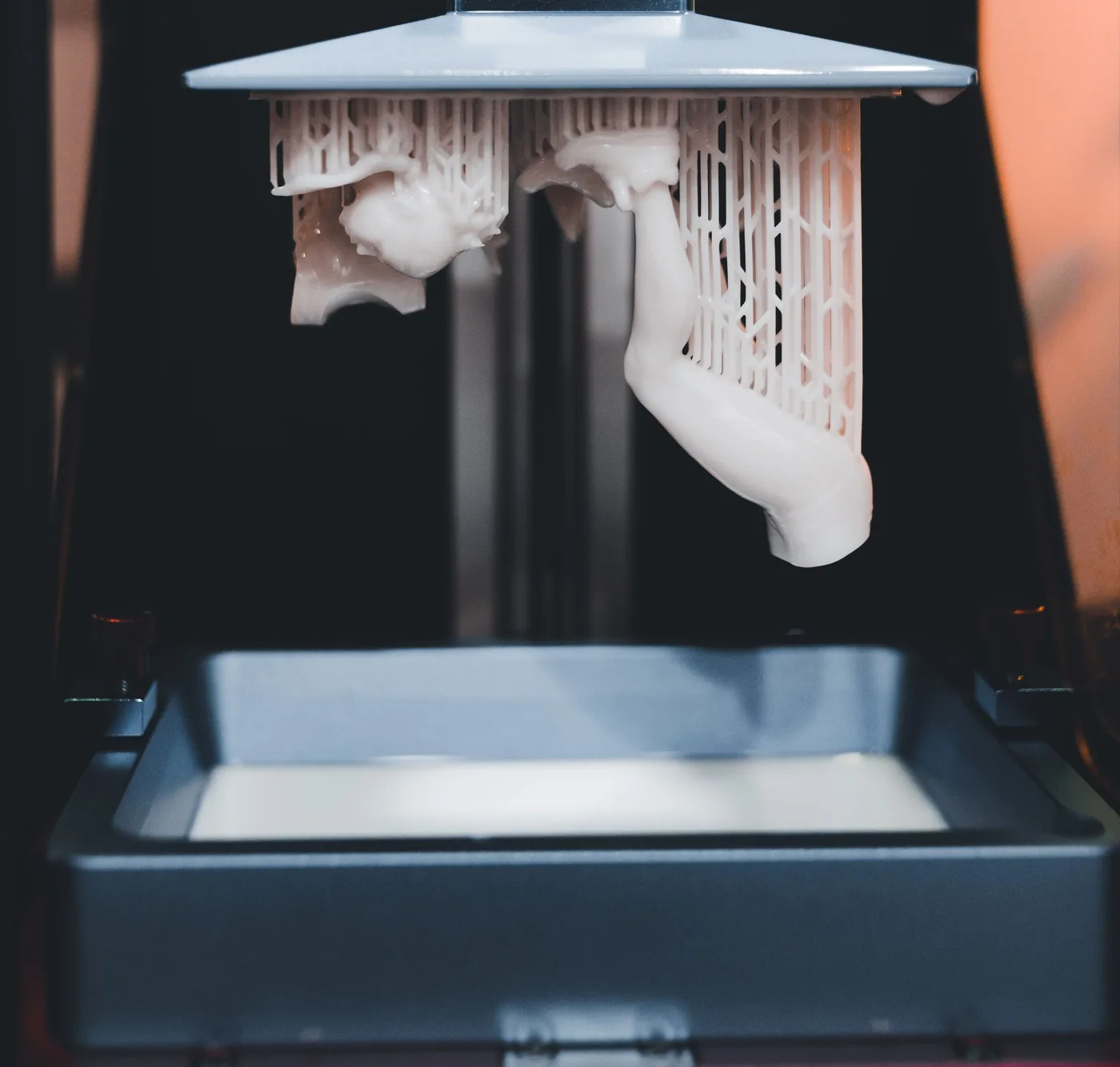
Photo: Erik Mclean
Standard Resin
Crisp detail and smooth finish, lowest cost
The all-rounder for models that are looked at more than they are loaded. Smooth walls, crisp edges and small text come out cleanly.
- Strength2/5
- Flex1/5
- Detail5/5
- Heat2/5
- Visual prototypes
- Display and concept models
- Fine detailed parts
- Printed on
- Laser SLA or LCD
- Colours
- BlackWhite
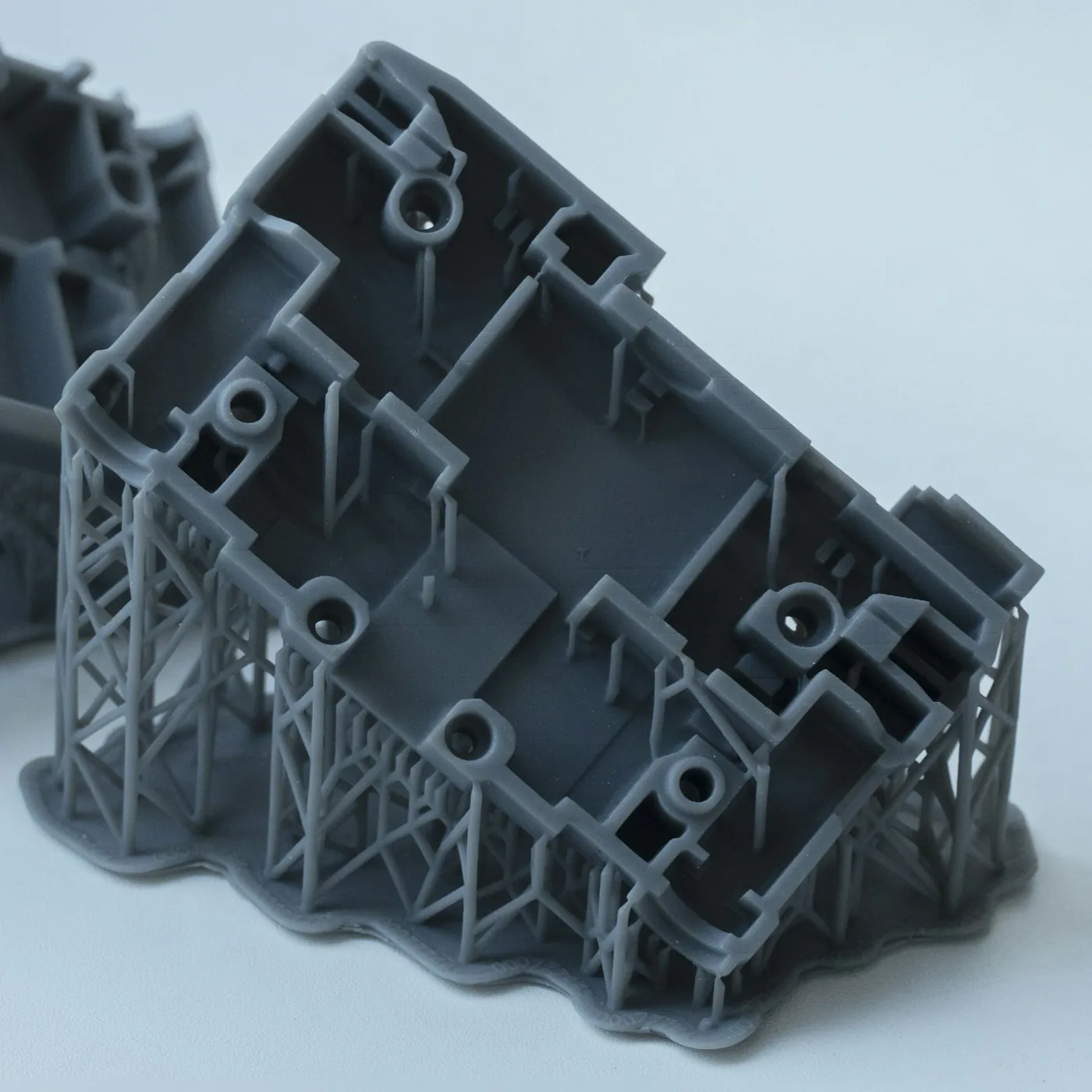
Photo: EnCata PD
ABS-Like Resin
Tougher everyday resin for working parts
Keeps the fine detail of a standard resin but is less brittle, so clips, housings and snap fits survive being handled.
- Strength3/5
- Flex2/5
- Detail5/5
- Heat2/5
- Enclosures and casings
- Functional prototypes
- Printed on
- LCD
- Colours
- BlackWhite
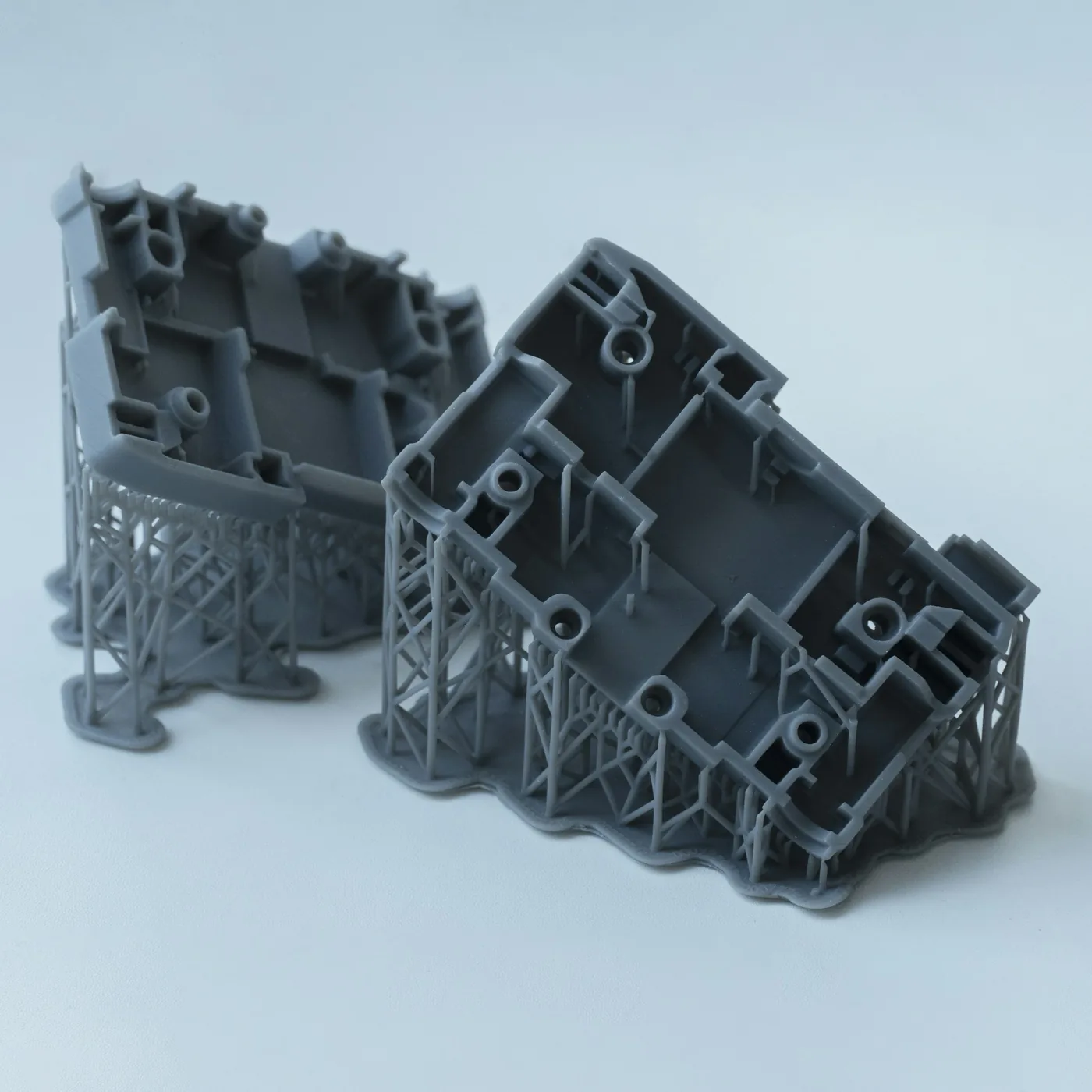
Photo: EnCata PD
Tough Resin
Bends before it breaks
Gives a little before it breaks. Pick it for brackets, enclosures and parts that get dropped or screwed down.
- Strength4/5
- Flex3/5
- Detail4/5
- Heat2/5
- Snap fits and clips
- Parts that take knocks
- Printed on
- LCD
- Colours
- Dark Gray
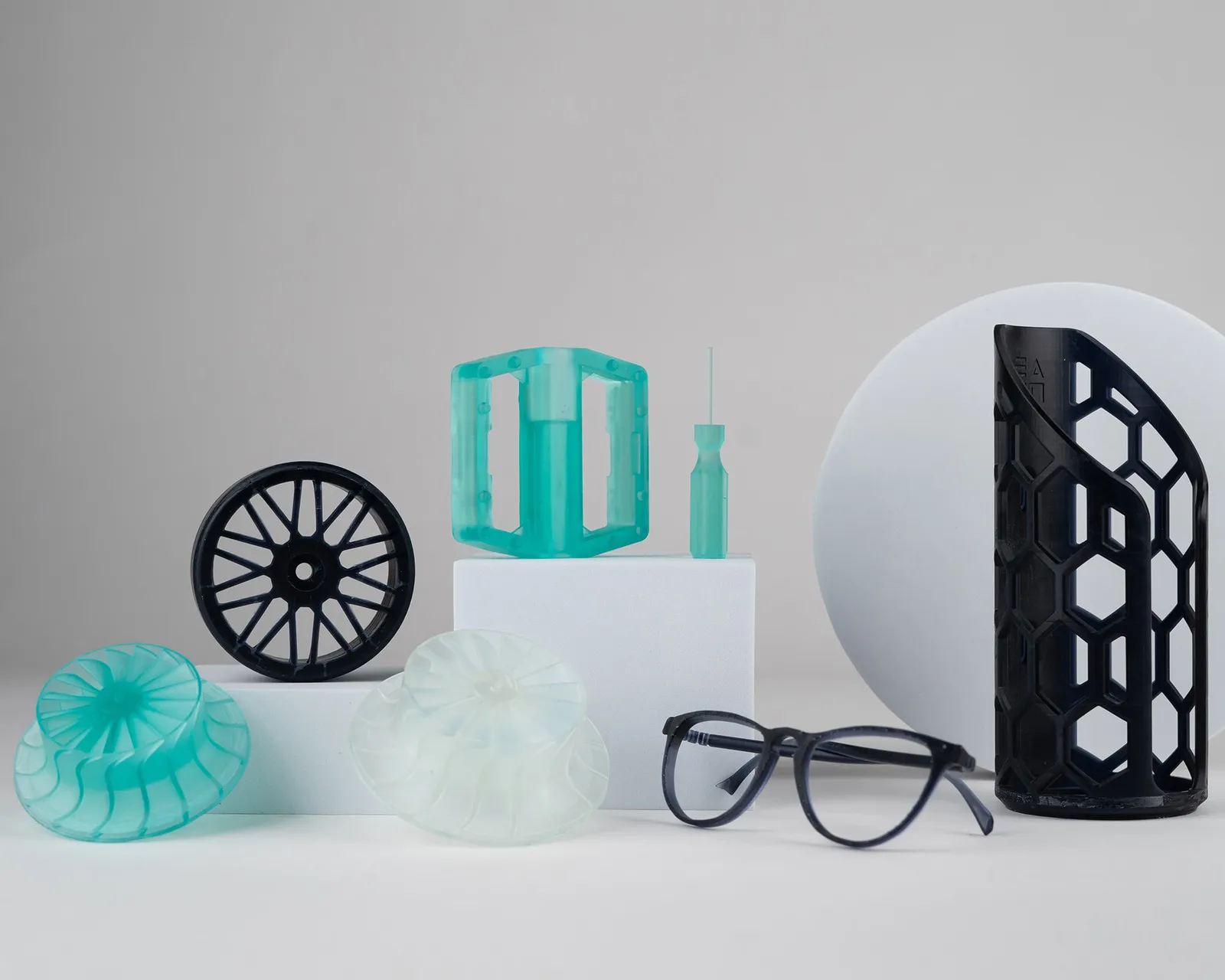
Photo: Siraya Tech
Impact-Resistant Resin
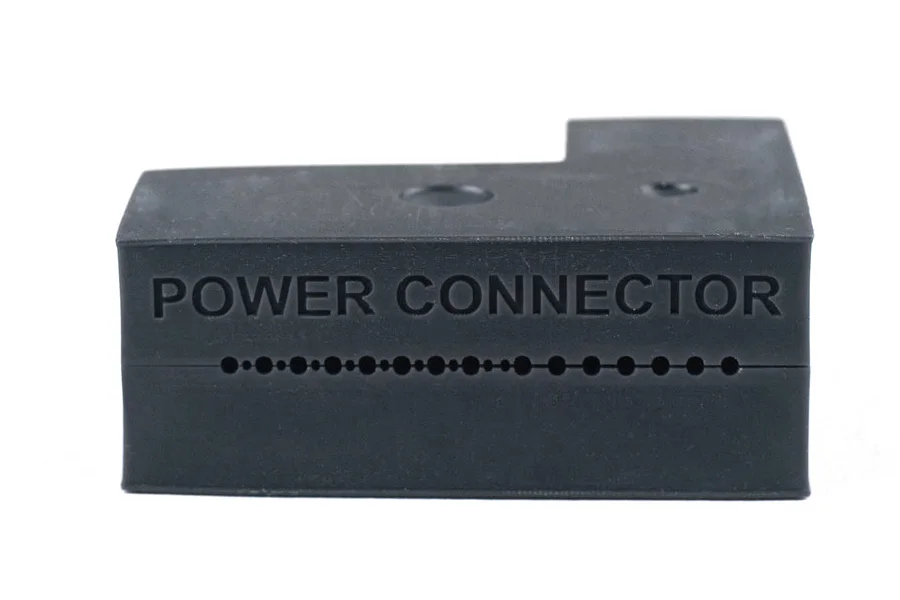
Strong and stiff, for jigs and fixtures
A strong, stiff resin for jigs, fixtures and tooling that has to hold its shape under load on the bench.
- Strength4/5
- Flex2/5
- Detail4/5
- Heat3/5
- Jigs, fixtures and tool housings
- Engineering prototypes
- Printed on
- LCD
- Colours
- BlackDark Gray
- Resin by
- Siraya Tech
Picture: Siraya Tech
Heat-Resistant Resin
Holds its shape when hot
Stays rigid where other resins soften. For parts near motors, lights and warm airflow, and for mould masters.
- Strength3/5
- Flex1/5
- Detail5/5
- Heat5/5
- Parts near heat
- Mould and forming tools
- Printed on
- LCD
- Colours
- Dark Gray
- Resin by
- Siraya Tech
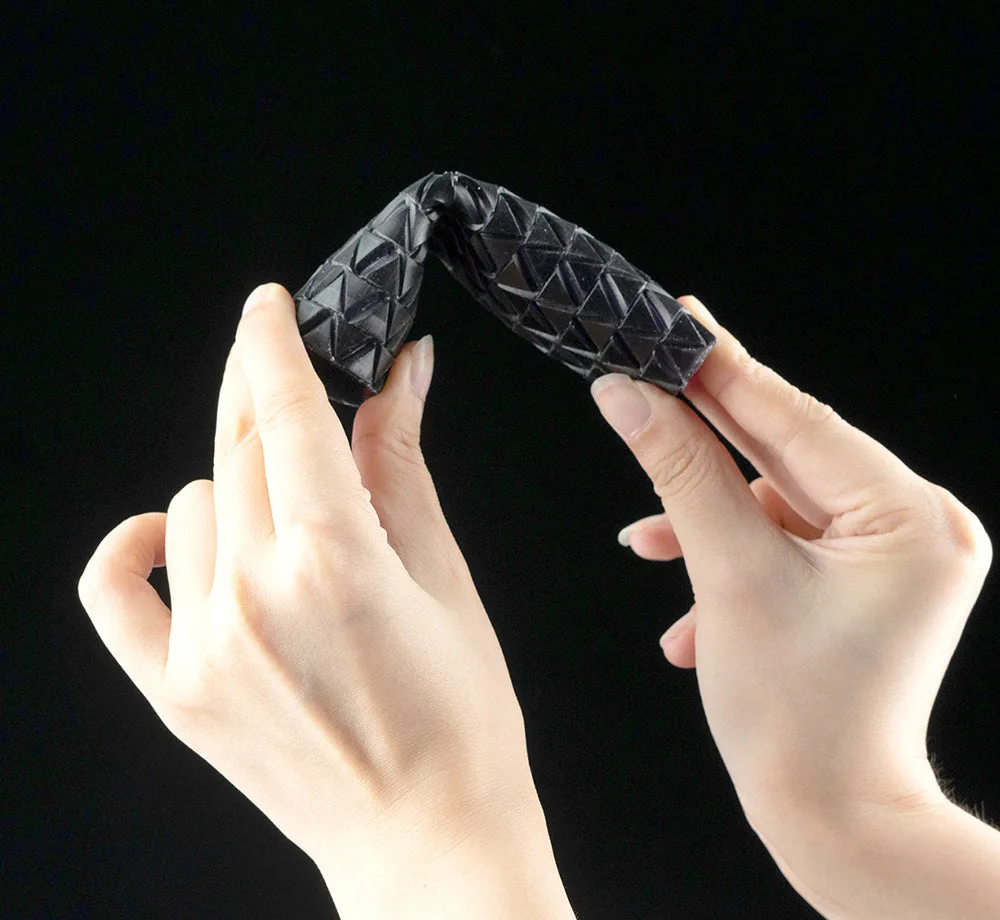
Photo: Siraya Tech
Flexible Resin
Bends and springs back, firm not rubbery
Bends and springs back, firm rather than rubbery. Think grips, bumpers, seals and soft feet.
- Strength3/5
- Flex4/5
- Detail4/5
- Heat1/5
- Seals, washers and gaskets
- Parts that must bend, not snap
- Printed on
- LCD
- Colours
- Black
- Resin by
- Siraya Tech
Picture: Formlabs
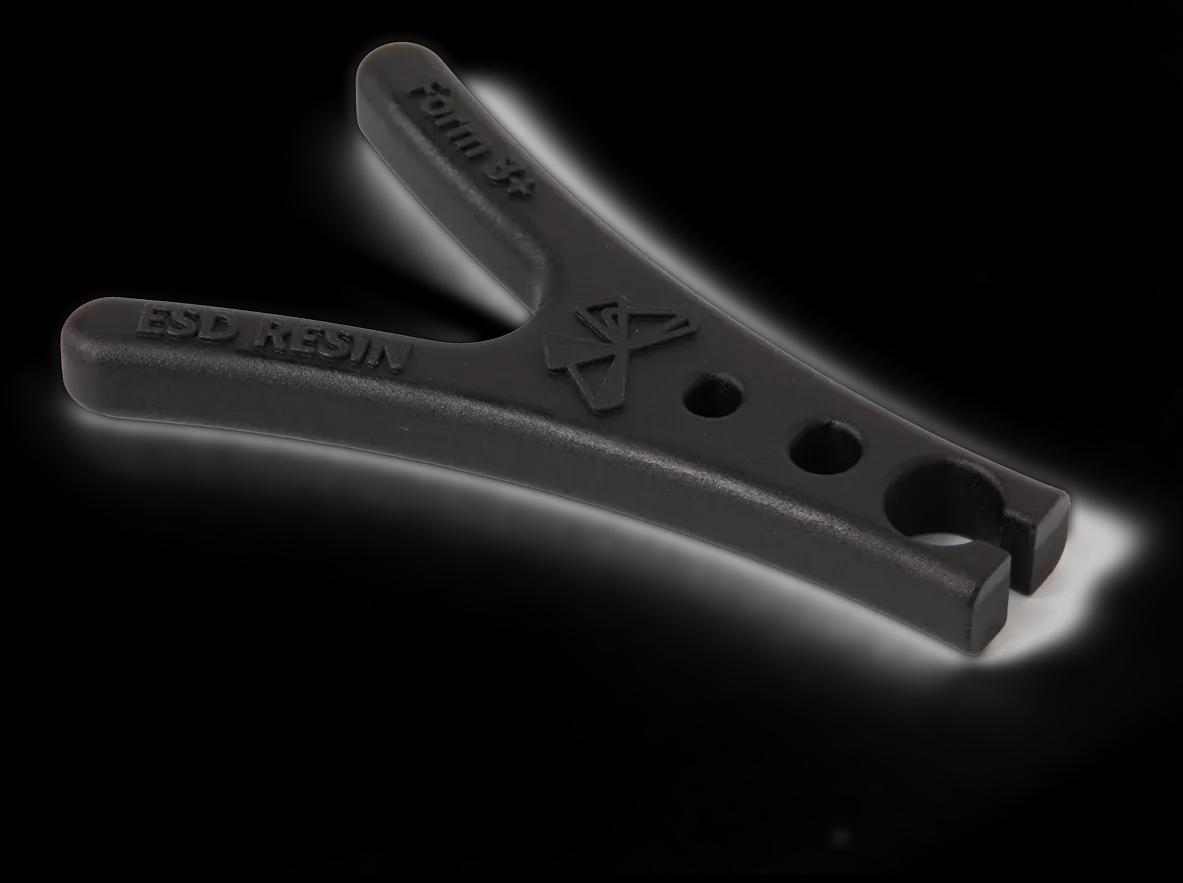
ESD Resin
Static-dissipative
Bleeds static charge away slowly, so it is safe beside bare circuit boards. Made for trays, jigs and fixtures on an electronics line.
- Strength3/5
- Flex2/5
- Detail4/5
- Heat2/5
- Electronics jigs and trays
- Fixtures near sensitive parts
- Printed on
- Laser SLA
- Colours
- Black
- Resin by
- Formlabs
- 10⁵ to 10⁸ Ω/sq
- Surface resistivity
- 44.2 MPa
- Tensile strength
- 12%
- Elongation at break
- 62.2 °C
- Heat deflection, 0.45 MPa
Formlabs's published figures for the cured material, not our own tests. The rating is Formlabs' for the material. We don't certify finished parts.
Picture: Formlabs
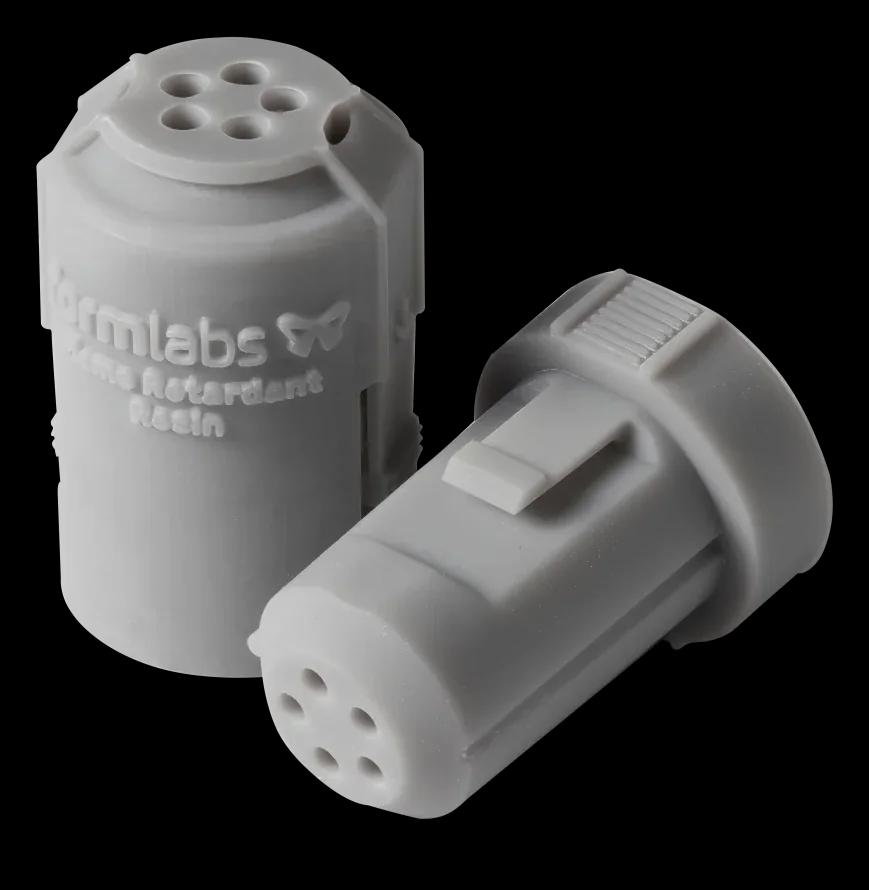
Flame Retardant Resin
Self-extinguishing
Self-extinguishing and stiff, and it keeps its shape when hot. For housings and brackets inside vehicles, cabinets and electrical gear.
- Strength3/5
- Flex1/5
- Detail4/5
- Heat4/5
- Enclosures near heat or power
- Transport and electrical interiors
- Printed on
- Laser SLA
- Colours
- Dark Gray
- Resin by
- Formlabs
- UL 94 V-0 at 3 mm
- Flammability
- 41 MPa
- Tensile strength
- 3.1 GPa
- Tensile modulus
- 111 °C
- Heat deflection, 0.45 MPa
Formlabs's published figures for the cured material, not our own tests. The rating is Formlabs' for the material. We don't certify finished parts.
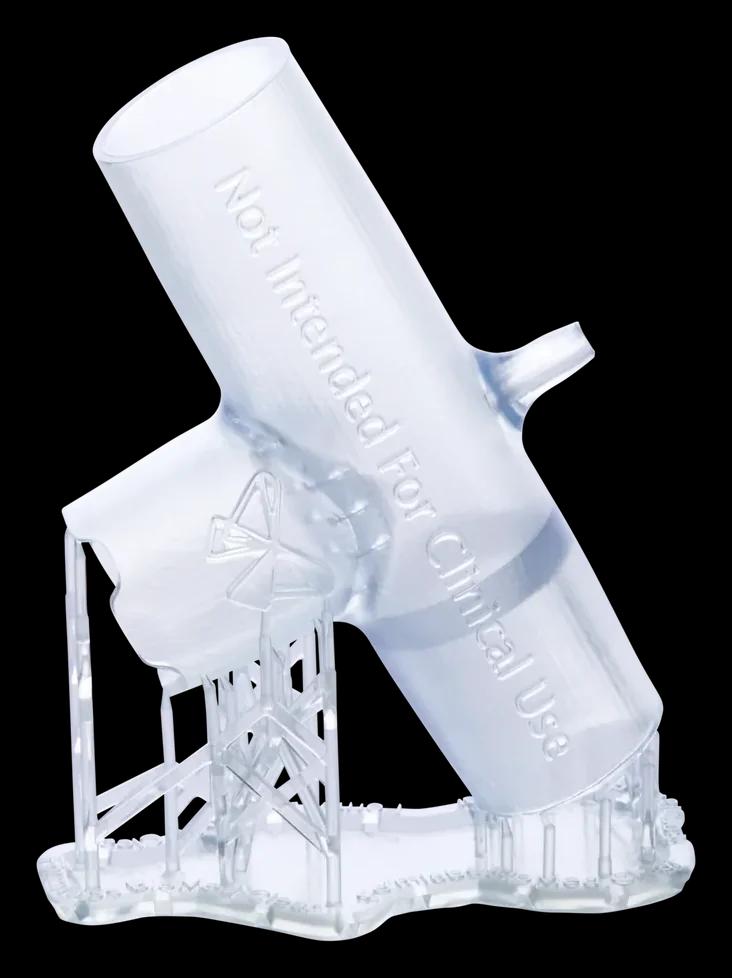
Picture: Formlabs
BioMed Clear Resin
Formlabs BioMed, clear and rigid
A hard, see-through resin that Formlabs makes for long-term skin contact. Useful when you need to see fluid or a fit through the part.
- Strength3/5
- Flex1/5
- Detail4/5
- Heat2/5
- Parts that touch skin
- Medical and lab prototypes
- Printed on
- Laser SLA
- Colours
- Clear
- Resin by
- Formlabs
- 52 MPa
- Tensile strength
- 2080 MPa
- Tensile modulus
- 78 Shore D
- Hardness
- 67 °C
- Heat deflection, 0.45 MPa
Formlabs's published figures for the cured material, not our own tests. Formlabs rates the material for skin contact in its own validated workflow. We don't certify parts as medical devices.
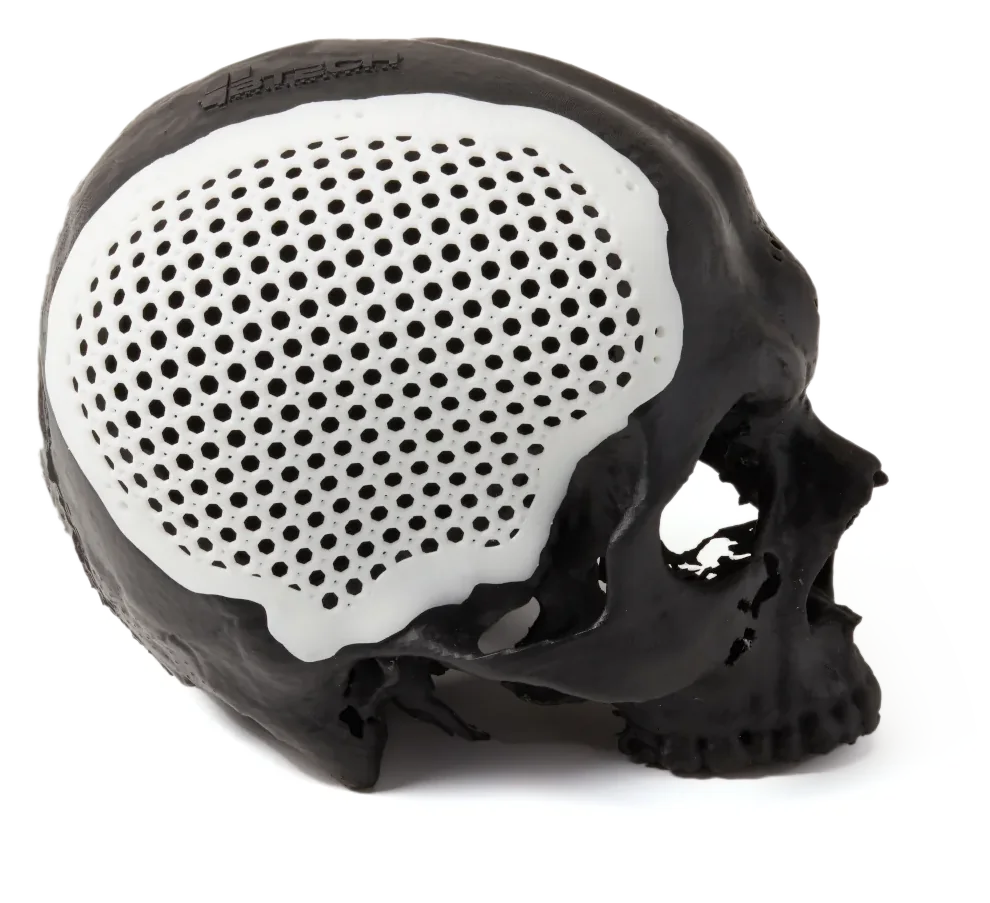
Picture: Formlabs
BioMed White Resin
Formlabs BioMed, opaque white
An opaque, matte white take on the same idea. Rigid, and it shows surface detail clearly.
- Strength3/5
- Flex1/5
- Detail4/5
- Heat2/5
- Parts that touch skin
- Medical and lab prototypes
- Printed on
- Laser SLA
- Colours
- White
- Resin by
- Formlabs
- 45.8 MPa
- Tensile strength
- 2020 MPa
- Tensile modulus
- 80 Shore D
- Hardness
- 67 °C
- Heat deflection, 0.45 MPa
Formlabs's published figures for the cured material, not our own tests. Formlabs rates the material for skin contact in its own validated workflow. We don't certify parts as medical devices.
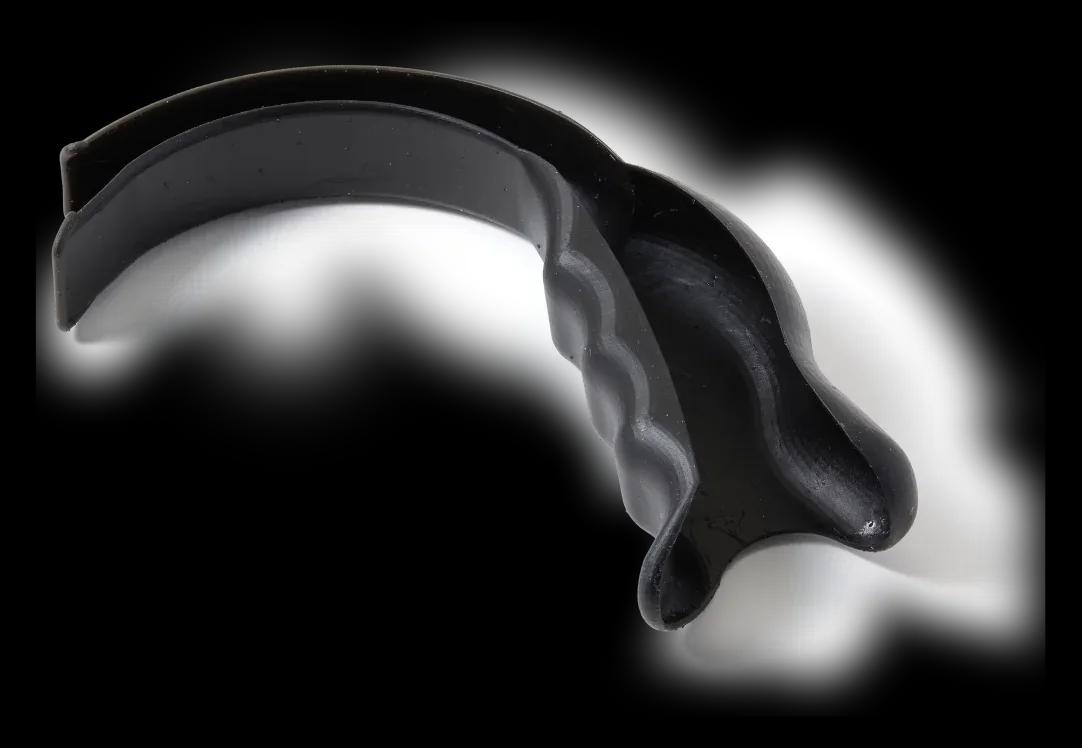
Picture: Formlabs
BioMed Black Resin
Formlabs BioMed, matte black
Matte black and rigid. The pick for worn devices and handles where a dark, low-glare surface matters.
- Strength3/5
- Flex1/5
- Detail4/5
- Heat2/5
- Parts that touch skin
- Medical and lab prototypes
- Printed on
- Laser SLA
- Colours
- Black
- Resin by
- Formlabs
- 36 MPa
- Tensile strength
- 1524 MPa
- Tensile modulus
- 77 Shore D
- Hardness
- 67.9 °C
- Heat deflection, 0.45 MPa
Formlabs's published figures for the cured material, not our own tests. Formlabs rates the material for skin contact in its own validated workflow. We don't certify parts as medical devices.
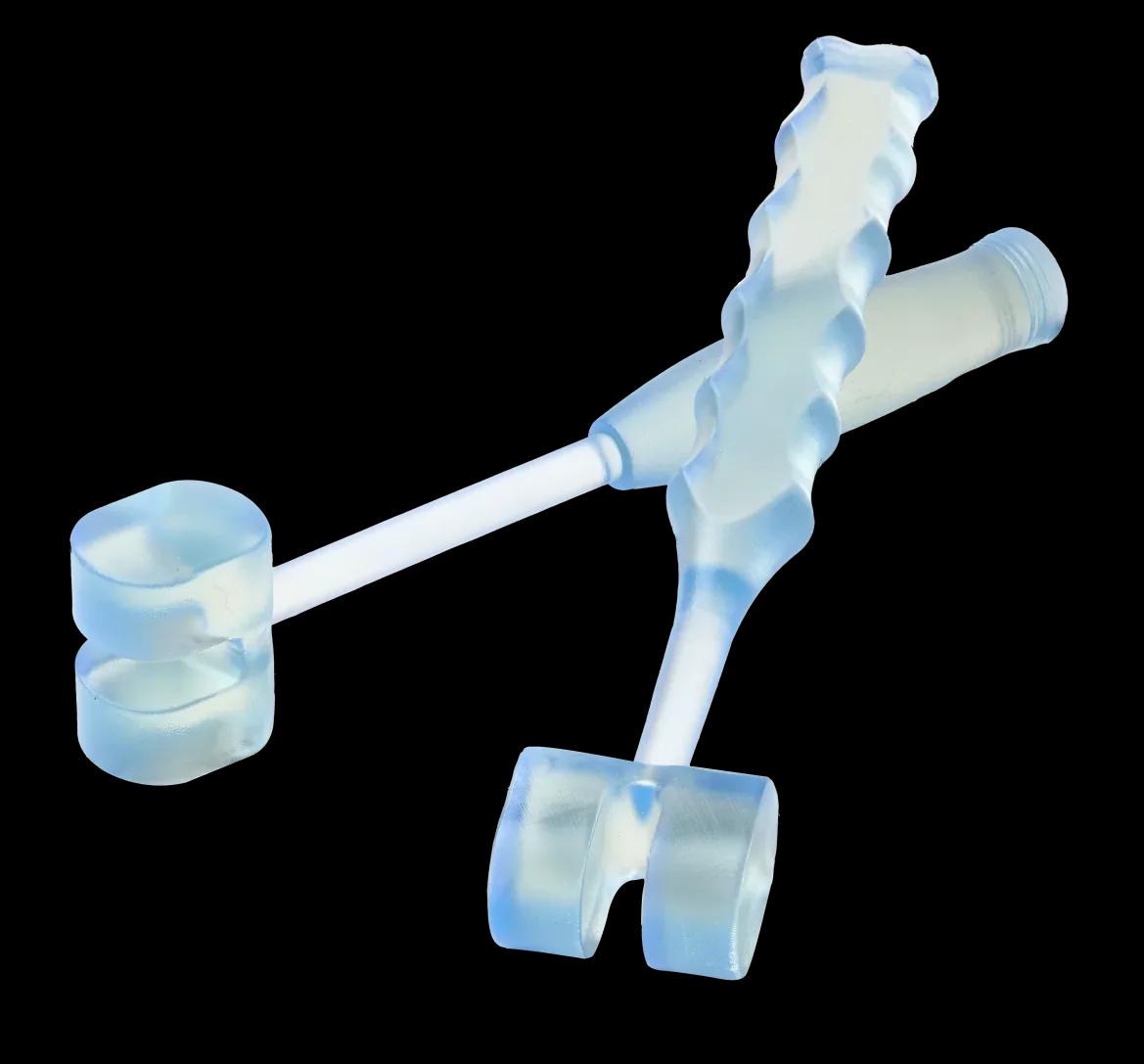
Picture: Formlabs
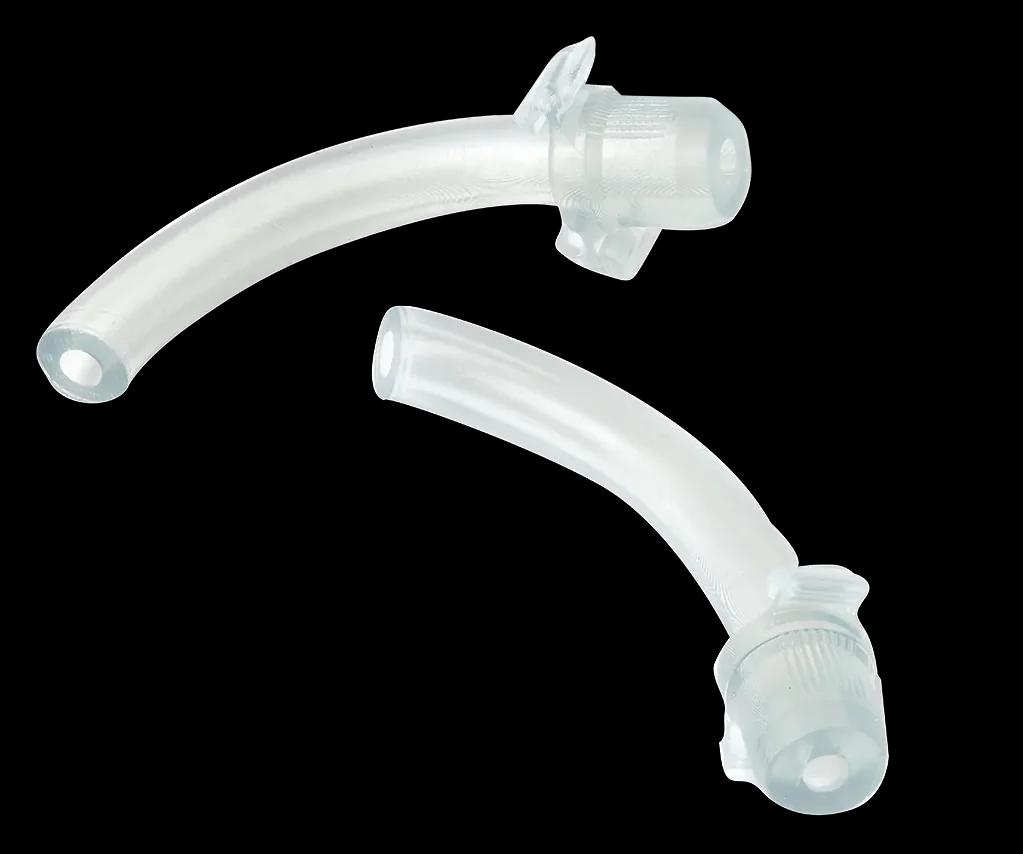
BioMed Durable Resin
Formlabs BioMed, clear and impact resistant
The tough one of the family. It stretches well before it breaks, so it shrugs off knocks and shatter.
- Strength4/5
- Flex2/5
- Detail4/5
- Heat2/5
- Skin-contact parts that take knocks
- Medical and lab prototypes
- Printed on
- Laser SLA
- Colours
- Clear
- Resin by
- Formlabs
- 29.1 MPa
- Tensile strength
- 33%
- Elongation at break
- 98 J/m
- Notched Izod impact
- 75 Shore D
- Hardness
Formlabs's published figures for the cured material, not our own tests. Formlabs rates the material for skin contact in its own validated workflow. We don't certify parts as medical devices.
Picture: Formlabs
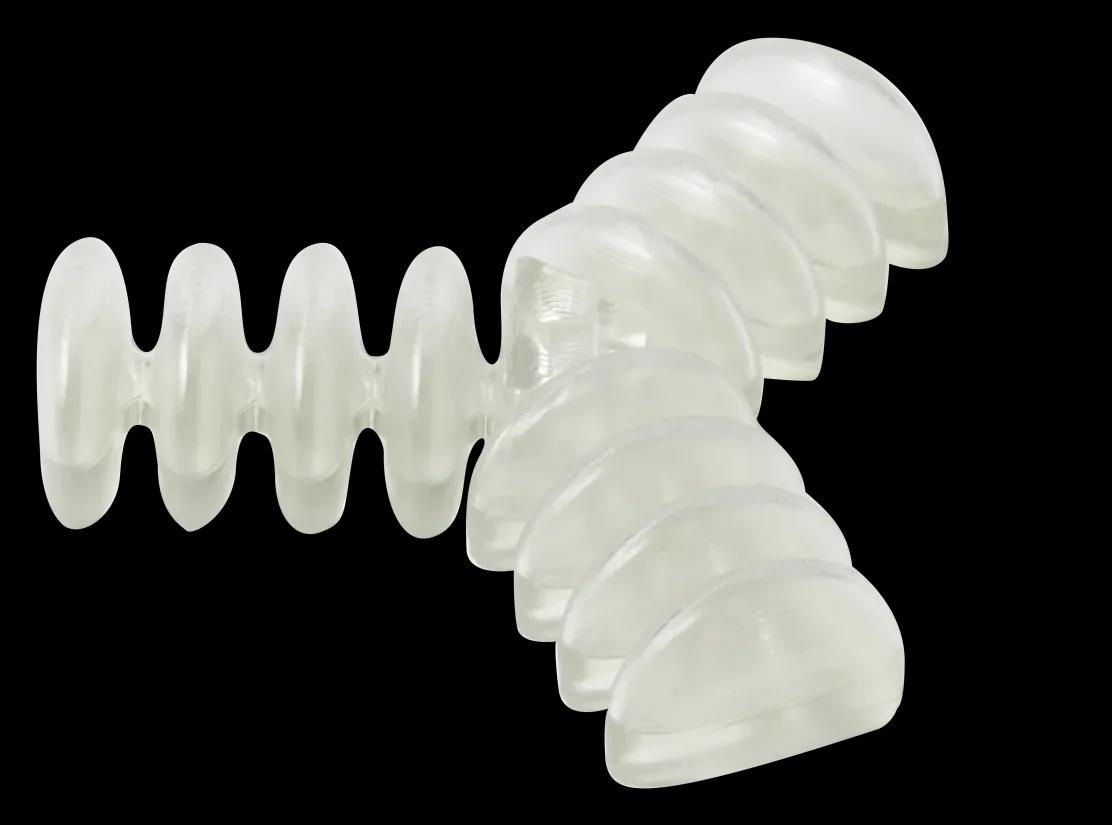
BioMed Flex 80A Resin
Formlabs BioMed, firm and rubber-like
A firm rubber, about as hard as a shoe sole. For straps, seals and soft parts that sit against skin.
- Strength2/5
- Flex5/5
- Detail3/5
- Heat1/5
- Flexible parts that touch skin
- Seals and soft medical prototypes
- Printed on
- Laser SLA
- Colours
- Clear
- Resin by
- Formlabs
- 80 Shore A
- Hardness
- 135%
- Elongation at break
- 22 kN/m
- Tear strength
- 7.2 MPa
- Tensile strength
Formlabs's published figures for the cured material, not our own tests. Formlabs rates the material for skin contact in its own validated workflow. We don't certify parts as medical devices.
Picture: Formlabs
BioMed Flex 50A Resin
Formlabs BioMed, soft and stretchy
The softest resin we print, closer to a pencil eraser. For cushions and pads that have to give easily.
- Strength1/5
- Flex5/5
- Detail3/5
- Heat1/5
- Soft parts that touch skin
- Wearable and soft medical prototypes
- Printed on
- Laser SLA
- Colours
- Clear
- Resin by
- Formlabs
- 50 Shore A
- Hardness
- 150%
- Elongation at break
- 11 kN/m
- Tear strength
- 2.3 MPa
- Tensile strength
Formlabs's published figures for the cured material, not our own tests. Formlabs rates the material for skin contact in its own validated workflow. We don't certify parts as medical devices.
Resin comparison chart
Rated 1 to 5. Tap a heading to sort, or a resin to open it.
| Resin | Lead time | ||||
|---|---|---|---|---|---|
| Standard ResinStandard, Laser SLA or LCD | In stock | ||||
| ABS-Like ResinEngineering, LCD | In stock | ||||
| Tough ResinEngineering, LCD | In stock | ||||
| Impact-Resistant ResinEngineering, LCD | Upon request | ||||
| Heat-Resistant ResinEngineering, LCD | Upon request | ||||
| Flexible ResinEngineering, LCD | Upon request | ||||
| ESD ResinSpecial, Laser SLA | Upon request | ||||
| Flame Retardant ResinSpecial, Laser SLA | Upon request | ||||
| BioMed Clear ResinSpecial, Laser SLA | Upon request | ||||
| BioMed White ResinSpecial, Laser SLA | Upon request | ||||
| BioMed Black ResinSpecial, Laser SLA | Upon request | ||||
| BioMed Durable ResinSpecial, Laser SLA | Upon request | ||||
| BioMed Flex 80A ResinSpecial, Laser SLA | Upon request | ||||
| BioMed Flex 50A ResinSpecial, Laser SLA | Upon request |
Laser SLA or LCD: two ways to print resin
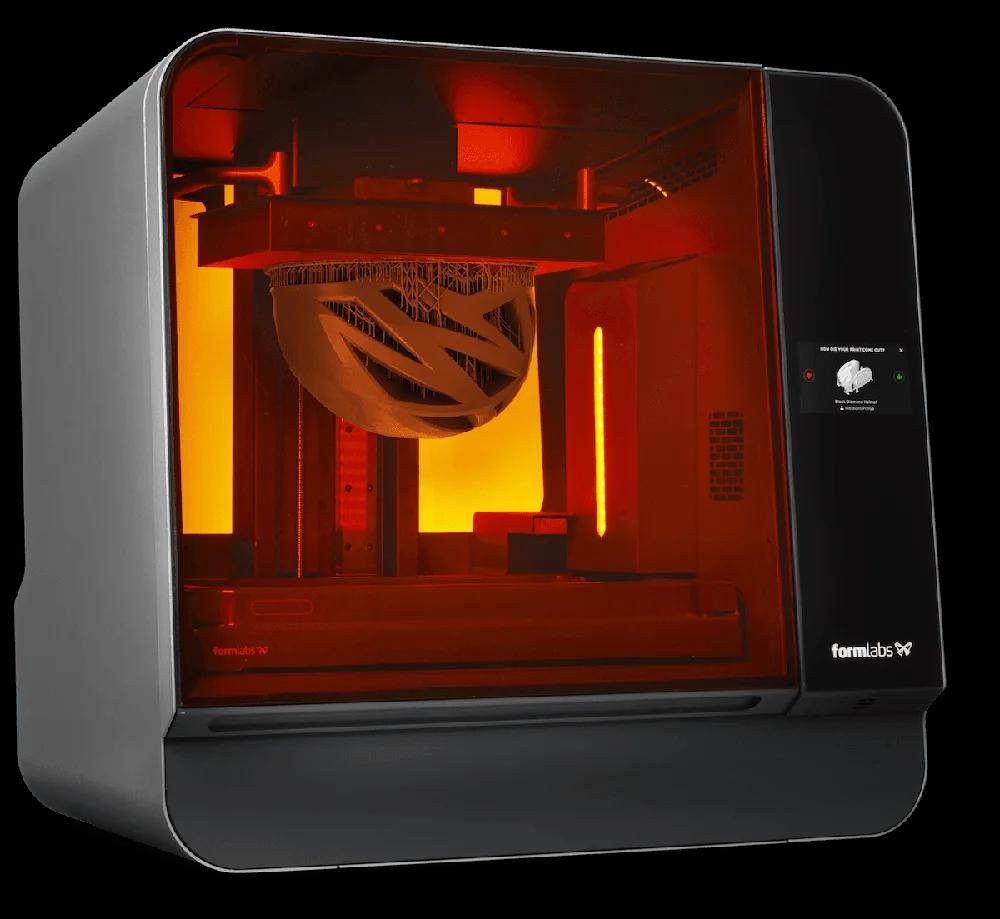
9 resins
Laser SLA
A laser traces each layer. Our large-format Form 3L printers run every special resin, and standard resin when a part is too large for the LCD printer.
Parts up to 335 x 200 x 320 mm
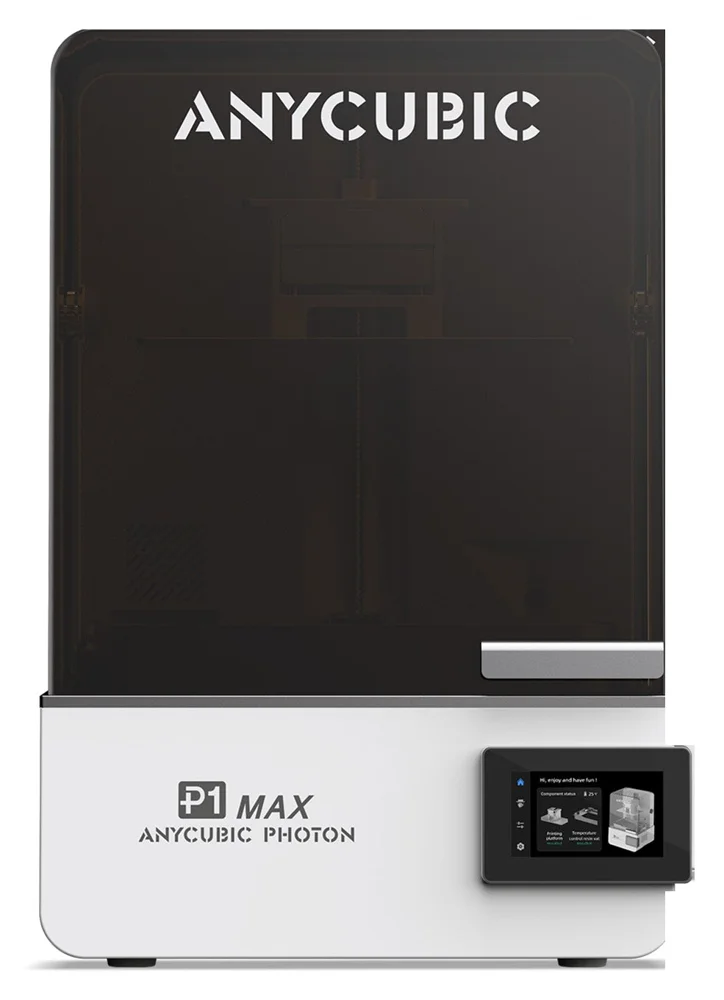
6 resins
LCD
A screen cures a whole layer in one flash, so a full plate takes as long as one part. It runs standard resin and the engineering resins.
Parts up to 285 x 214 x 300 mm
3D printing resin questions
What types of resin are used in 3D printing?
Most jobs fall into one of three families. Standard resins are for detail and looks, engineering resins are picked for one property such as toughness, heat or flex, and special resins are made to meet a rule, such as static control or a flame rating.
Which 3D printing resin is the strongest?
For parts that take knocks, look at Tough Resin and Impact-Resistant Resin. They give or absorb a hit where a standard resin would snap.
Which resin can take heat?
Heat-Resistant Resin is the pick on our LCD printer. On the laser printer, Formlabs publishes a heat deflection temperature of 111 °C at 0.45 MPa for its Flame Retardant Resin.
Is resin 3D printing safe for skin contact or food?
Formlabs rates its BioMed resins for long-term skin contact when they are printed in its validated workflow. That rating is for the material: we don't certify parts as medical devices, and we don't sell any resin part as food safe.
What is the difference between SLA and LCD resin printing?
Both cure liquid resin with light, one layer at a time. A laser SLA printer traces each layer with a laser, while an LCD printer flashes the whole layer at once through a screen. Either way the part comes out smooth and finely detailed.
How long do engineering and special resins take?
Resins we keep on the shelf ship in our usual lead time. Resins we order in for the job add 3 to 5 business days.
Can resin prints be used outdoors?
Not for long. Resin rates lowest of our materials in sunlight, so for parts that live outside we suggest ASA or SLS nylon.
How much does resin 3D printing cost?
It depends on the size of the part and the resin. Upload a model on the quote page and you get a price for each resin straight away.